
Saturated Buffers & Bioreactors
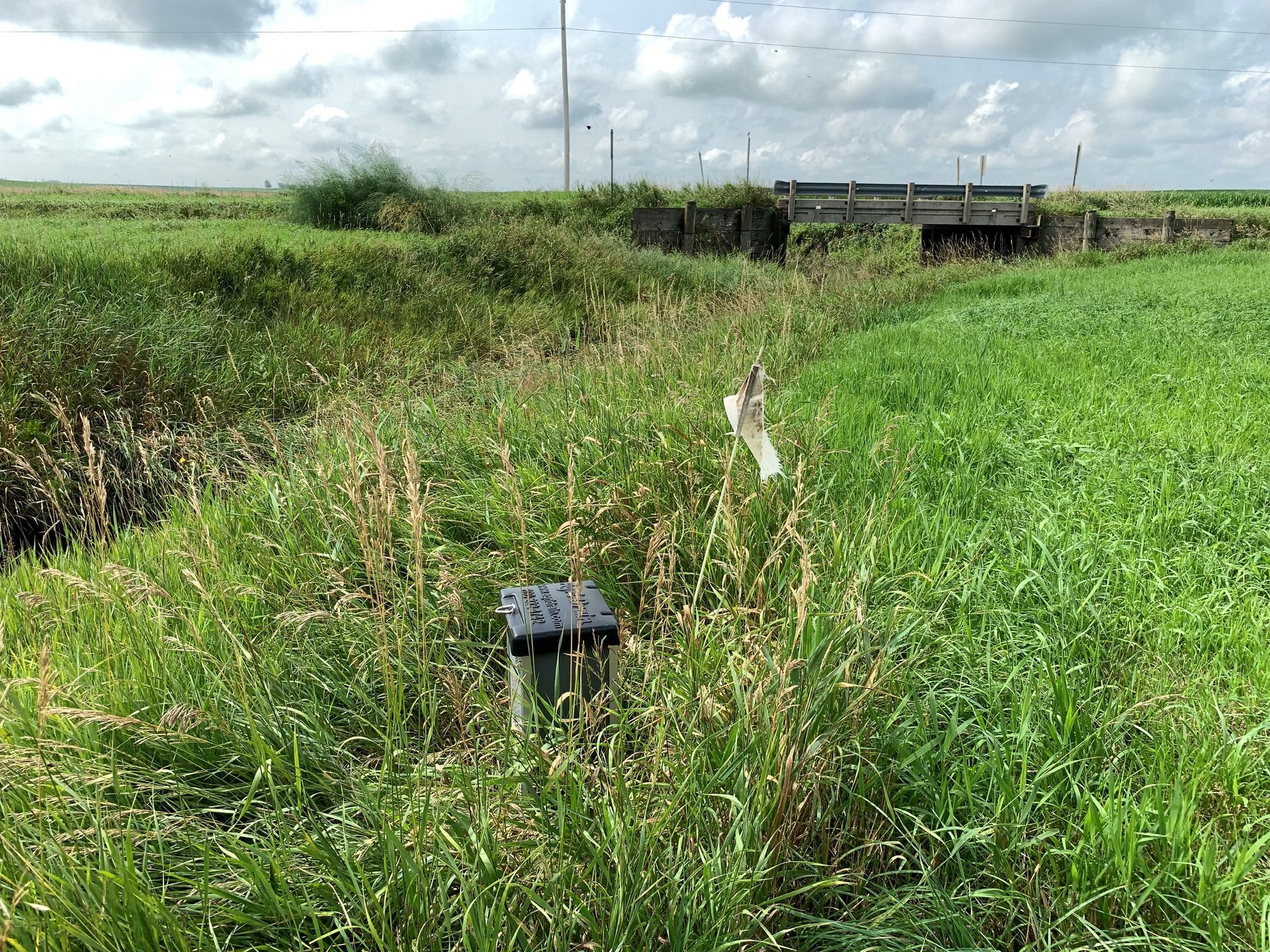
Known as “edge of field’ structures, bioreactors and saturated buffers are specialized drainage management structures that are typically installed on the edge of fields, usually in connection with existing buffer or filter strips.
Connected to tile outlets, these structures act as a filtration system for a field’s tile drainage system, predominately removing nitrates before they enter the waterways. Saturated buffers and bioreactors are part of a systems-approach to overall nutrient capture where in-field practices like cover crops, no-till, and nutrient management are combined with edge-of-field structures to significantly reduce nutrient runoff.
Landowners or farmers who don’t want to use in-field practices, saturated buffers and bioreactors are options to capture nitrates at the edge of the fields before they are lost to downstream waterways. Where appropriate, edge of field structures are also attractive alternatives to wetlands, in that they usually don’t take additional acreage out of production.
268
Tile outlets treated with Saturated Buffers and Bioreactors
10,379
Total Drainage Acres Treated
Saturated Buffers
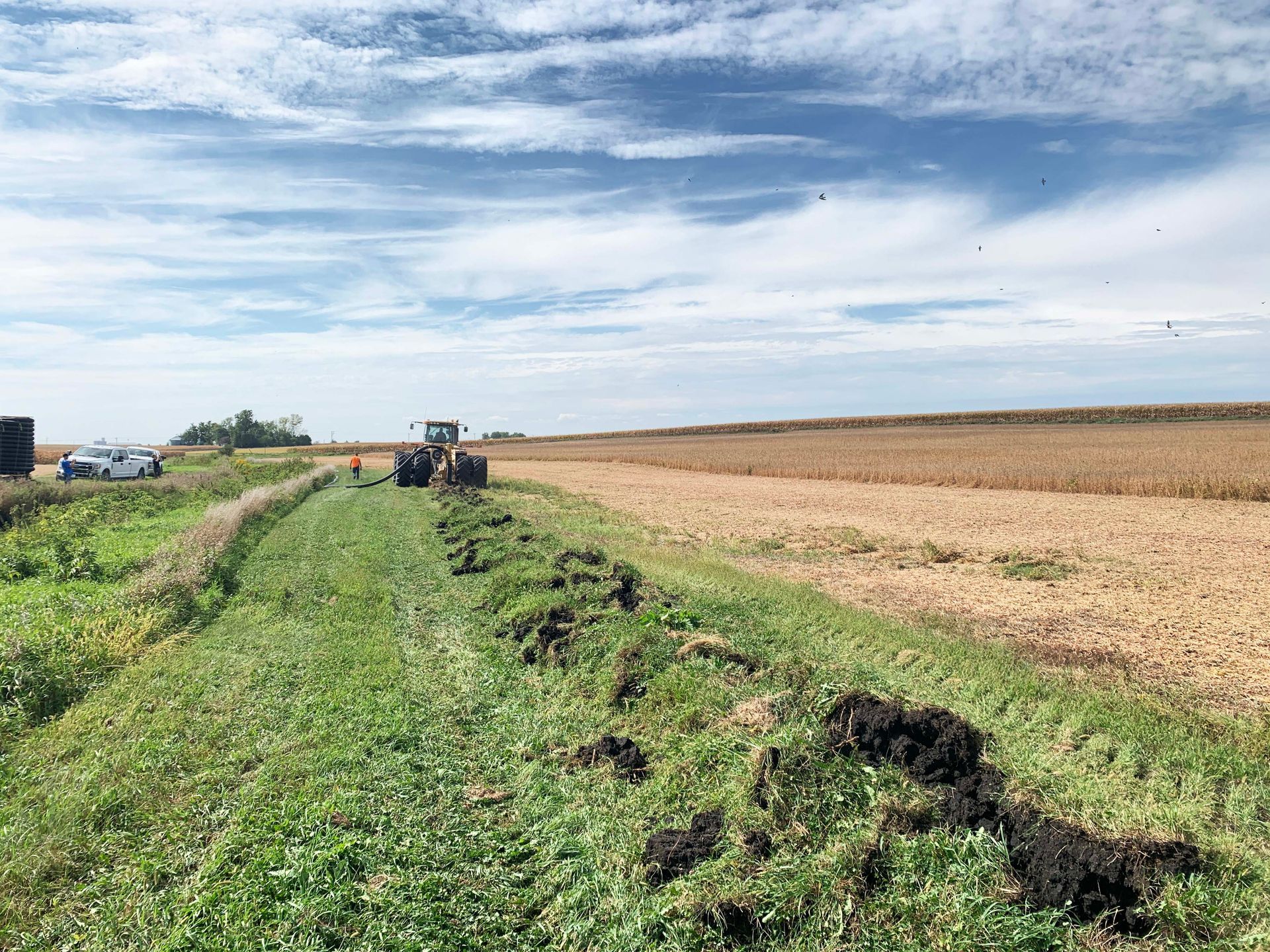
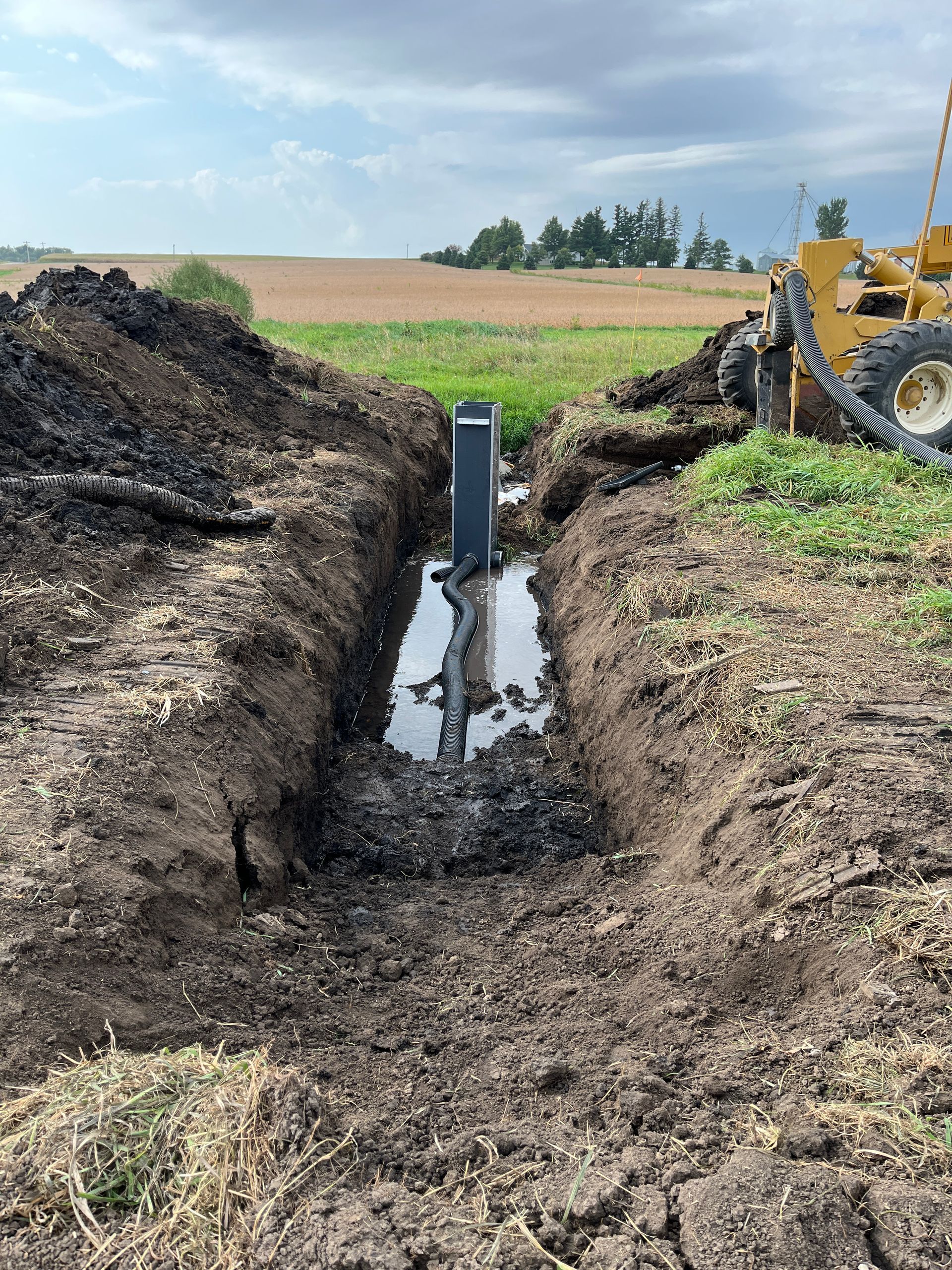
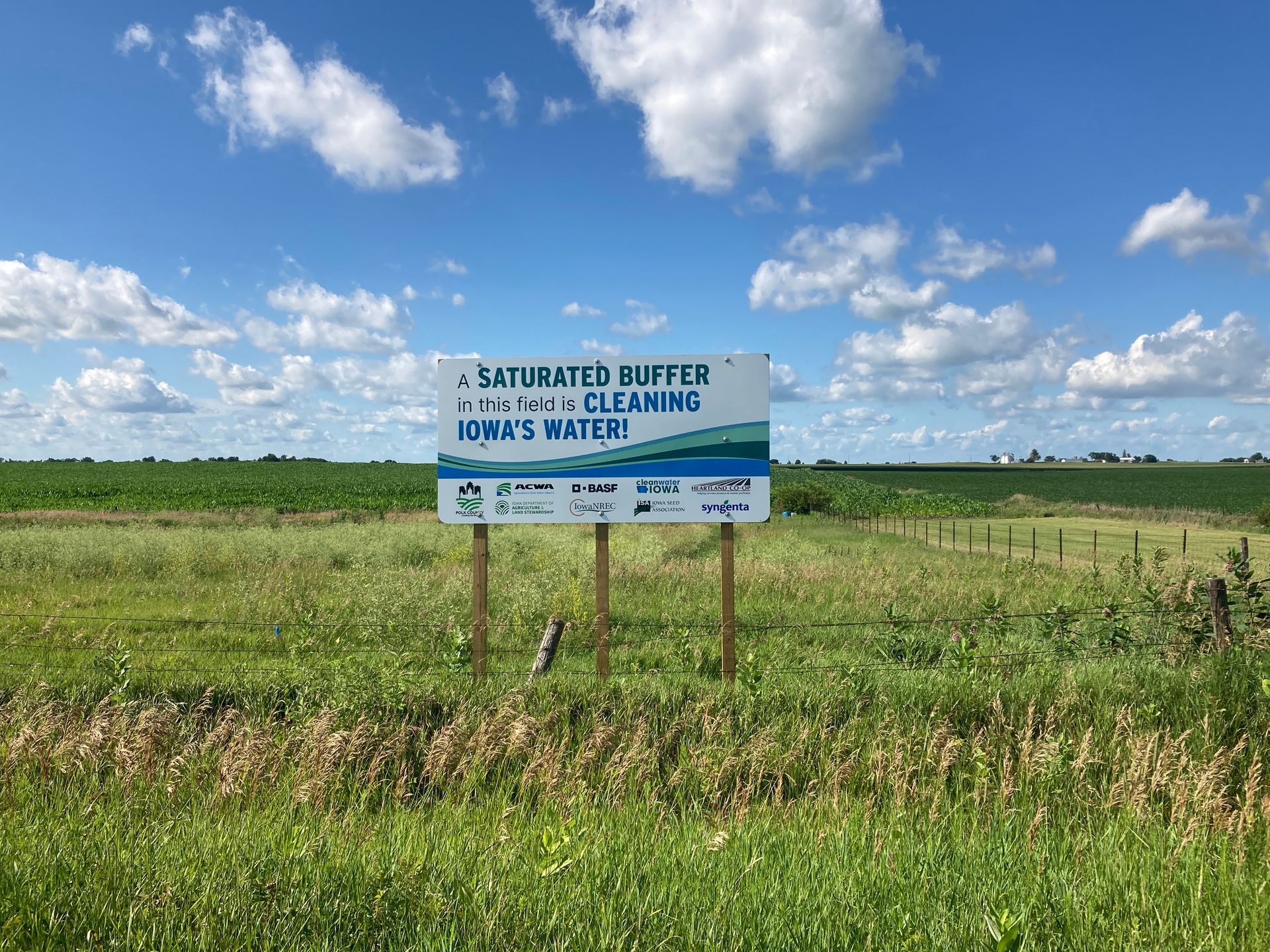
Saturated buffers are a conservation drainage practice designed to remove nitrate from agricultural tile water by modifying the outlet to allow flow to be diverted through the soil profile of a vegetated buffer. The outlet is modified by using a control structure which directs a portion of the flow to a distribution line that runs parallel to the stream.
Bioreactors
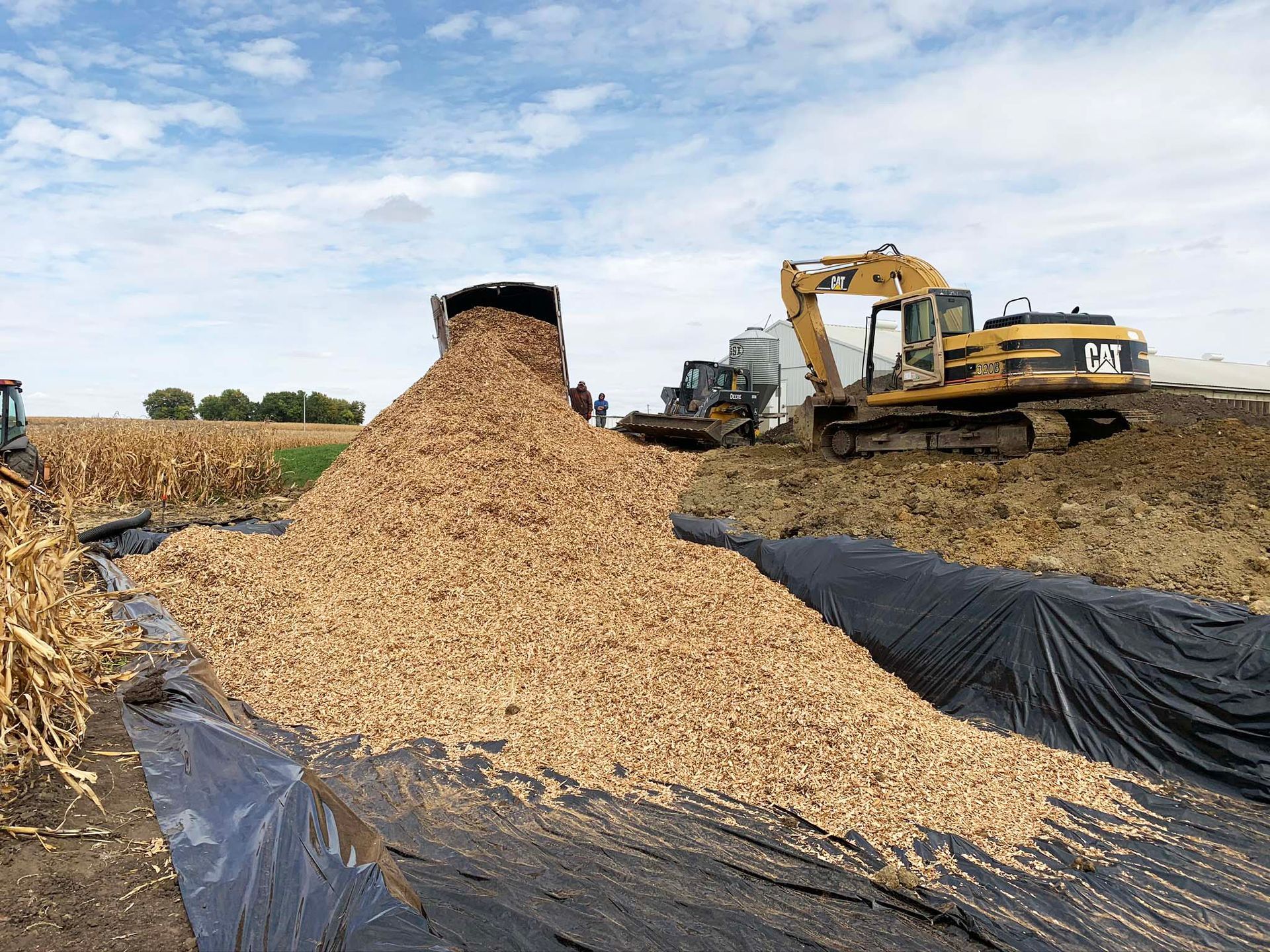
A woodchip bioreactor, also are known as a denitrification bioreactor, is made by routing drainage water through a buried trench filled with woodchips. Denitrification is the conversion of nitrate (NO3-) to nitrogen gas (dinitrogen, N2) that is carried out by bacteria living in soils all over the world and also in the bioreactor. These good bacteria, called denitrifiers, use the carbon in the woodchips as their food and use the nitrate as part of their respiration process. Because these bacteria also can breathe oxygen, providing anaerobic conditions through more constantly flowing tile water helps ensure that the bacteria utilize the nitrate. Providing these denitrifiers an ample supply of carbon to eat and giving them anaerobic conditions in the bioreactor offers them a perfect environment to remove nitrate from drainage.
On the Ground Application
Batch and Build Model
The Batch and Build Model is an efficient, streamlined process to implement edge-of-field practices such as saturated buffers and bioreactors designed to clean nitrates out of agricultural tile drainage water. A framework created by Polk County Public Works in efforts to accelerate the adoption of water quality practices on the ground. This model focuses on finding suitable farm fields in a given area, called a "Batch" and building them at the same time. These practices are 100% covered by partner collaborations, at no cost to the landowner.
Want to learn more or get one implemented on your field? Connect with our team of conservation agronomists!
Saturated Buffer and Bioreactor Resources
Helpful resources from our partners
- Practical Farmers of Iowa
- Looking for more information such as farmer-led research trials, articles, and field day opportunities? Check out Practical Farmer's of Iowa (PFI) resources webpage to dig deeper into edge-of-field water quality practices.