
Cover Crops
Cover crops are one of the most popular conservation farming practices in the Midwest. These are crops that are planted in the fall to provide protective cover for the soil and to take in excess nutrients over the winter and into spring.
Cover crops hold nutrients and soil in place until spring, when they are terminated and allowed to decompose. Cover crops provide numerous soil health benefits including: increasing water infiltration, porosity, tilth, organic matter, and soil microorganisms.
There are multiple species of cover crops for every agronomic purpose and their are multiple ways to seed them. Our team can help you decide what species and seeding method to choose based on your management plans.
312,754
Acres of Cover Crops Supported
Popular Cover Crops Species
Over-wintering species
Can survive through cold winter temperatures and therefore provide ground coverage across the entire season in between cash crops. In the spring, cover crops can be terminated before planting, or cash crops can be planted “green” into living cover crops before they are terminated. Overwintering cover crops are especially well-suited to precede soybeans, as soybeans are less affected by competition from cover crops.
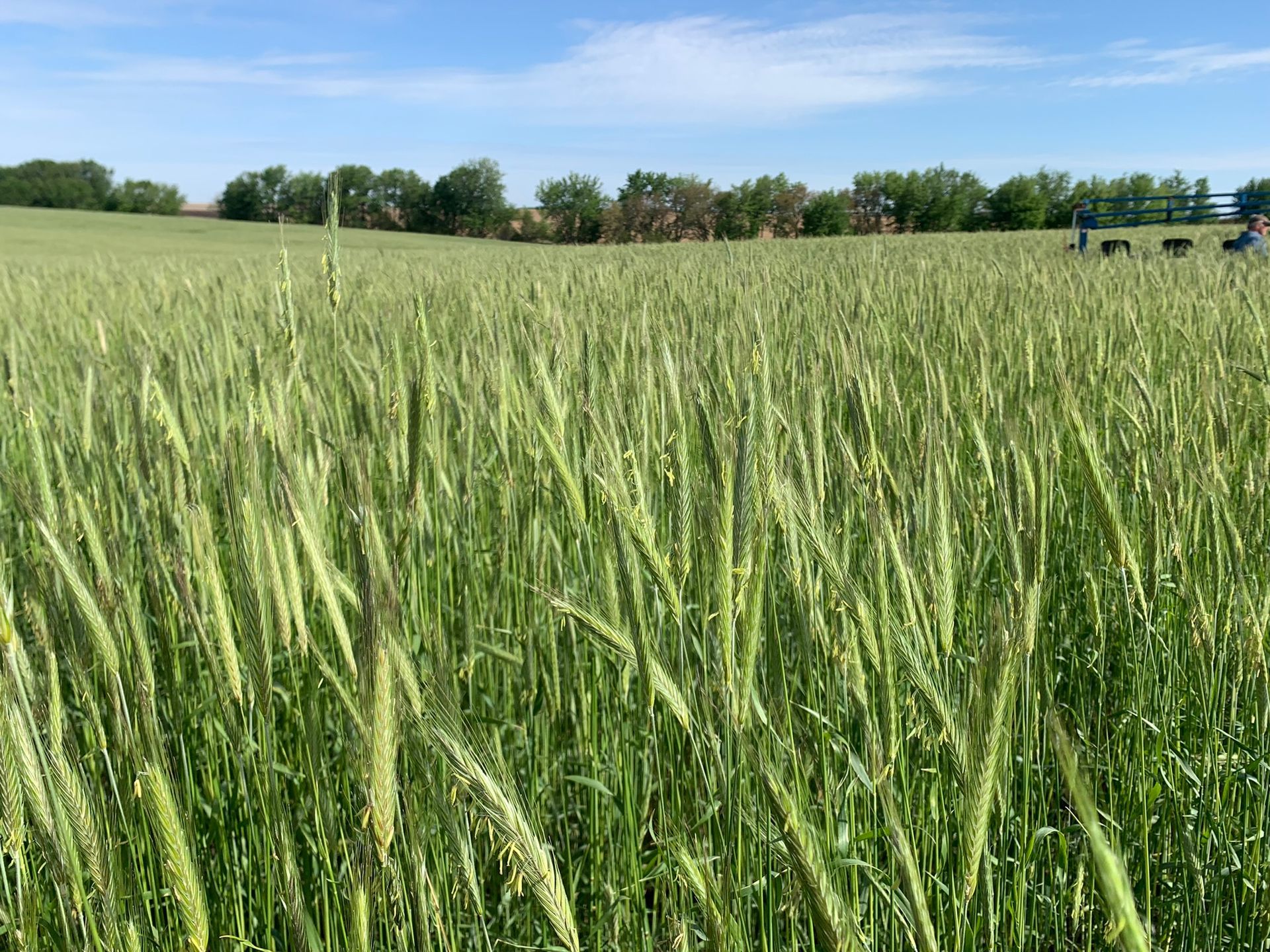
Cereal Rye
The most popular cover crop species because it reliably overwinters and has robust fall and spring growth.
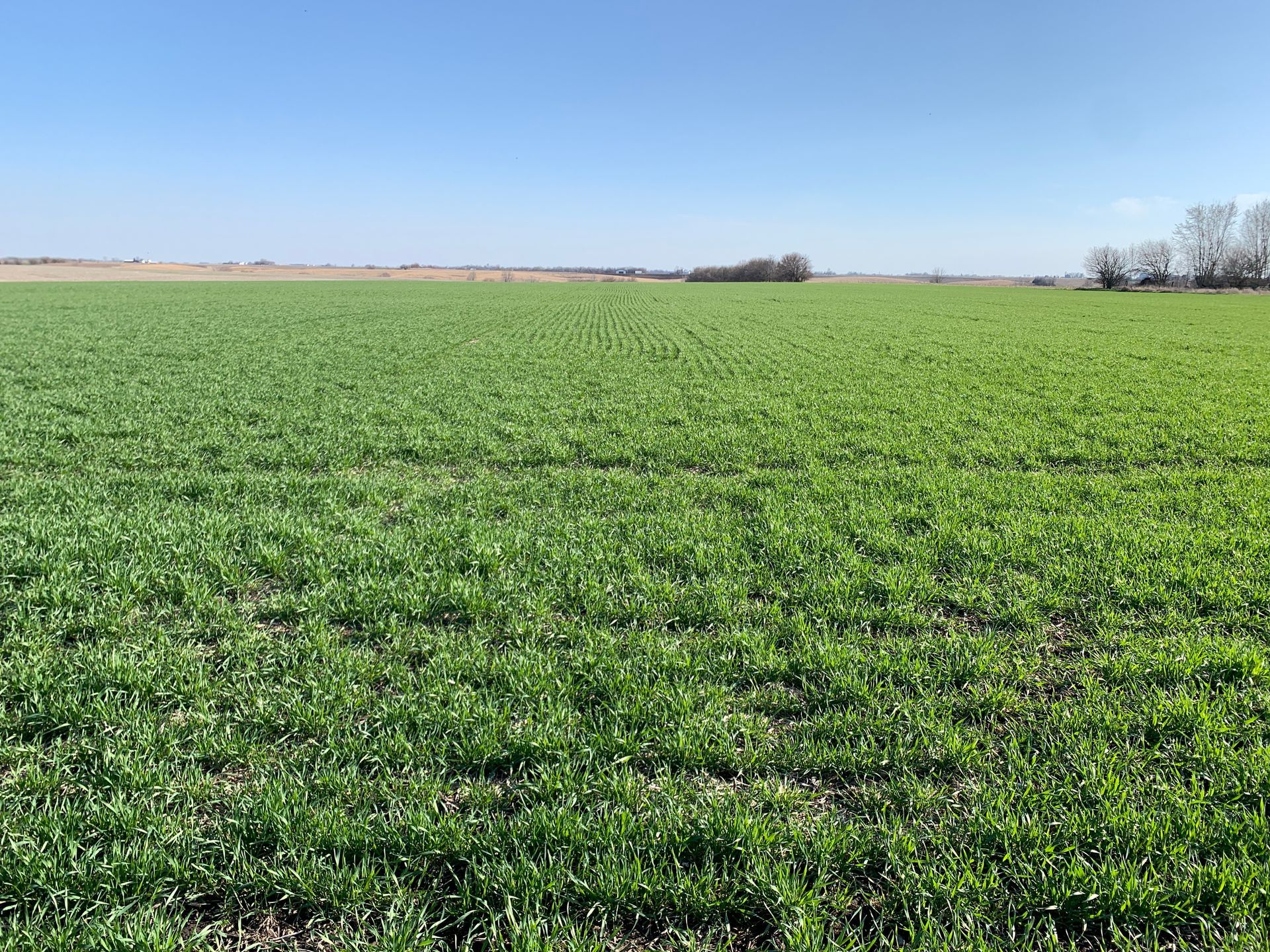
Winter Wheat
Slightly less vigorous than rye. A good option for an overwintering grass that grows more slowly in the spring.
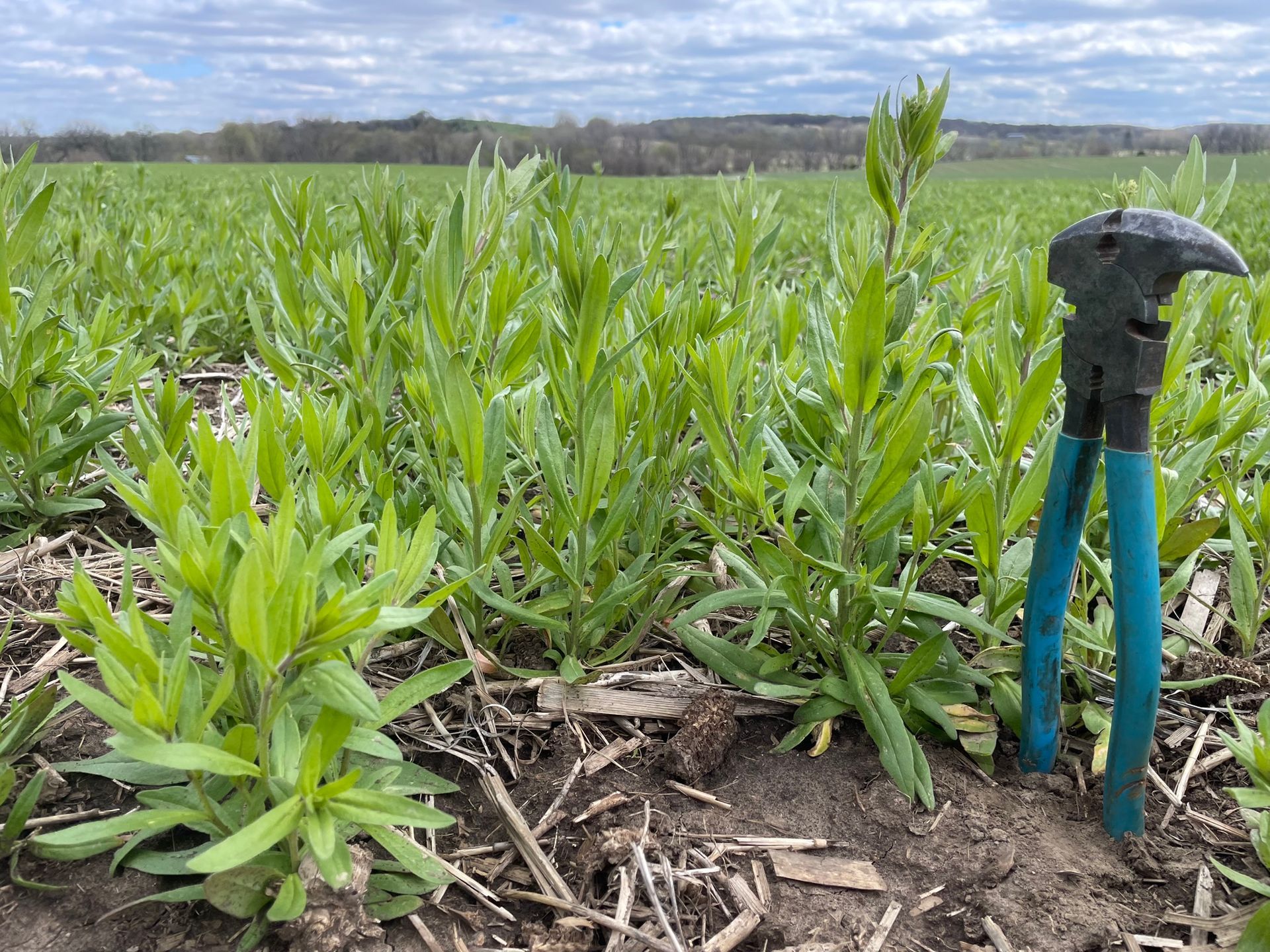
Camelina
A brassica that will overwinter when it establishes fall rosettes. Overwintering success maximized when mixed with a grass.
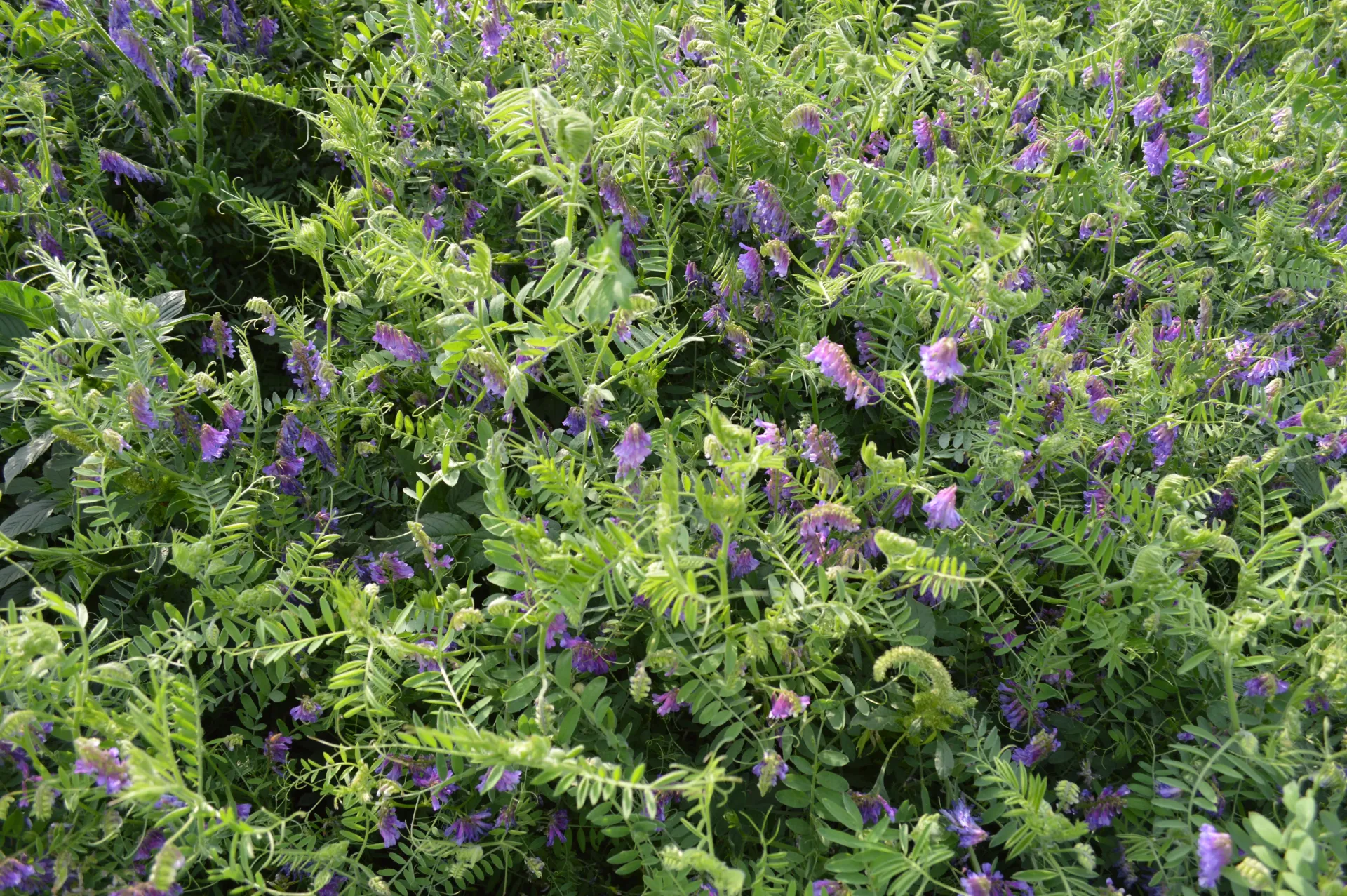
Hairy Vetch
A legume that is slow to establish in the fall but will grow quickly in the spring. Won’t fix nitrogen unless it’s allowed to grow through late spring.
Winter-kill species
Provide ground cover in the fall but naturally die over the winter in upper midwestern climates due to their intolerance to very cold temperatures. They’re well suited for crop rotations where farmers want to avoid managing spring cover crop growth or termination, like preceding corn.
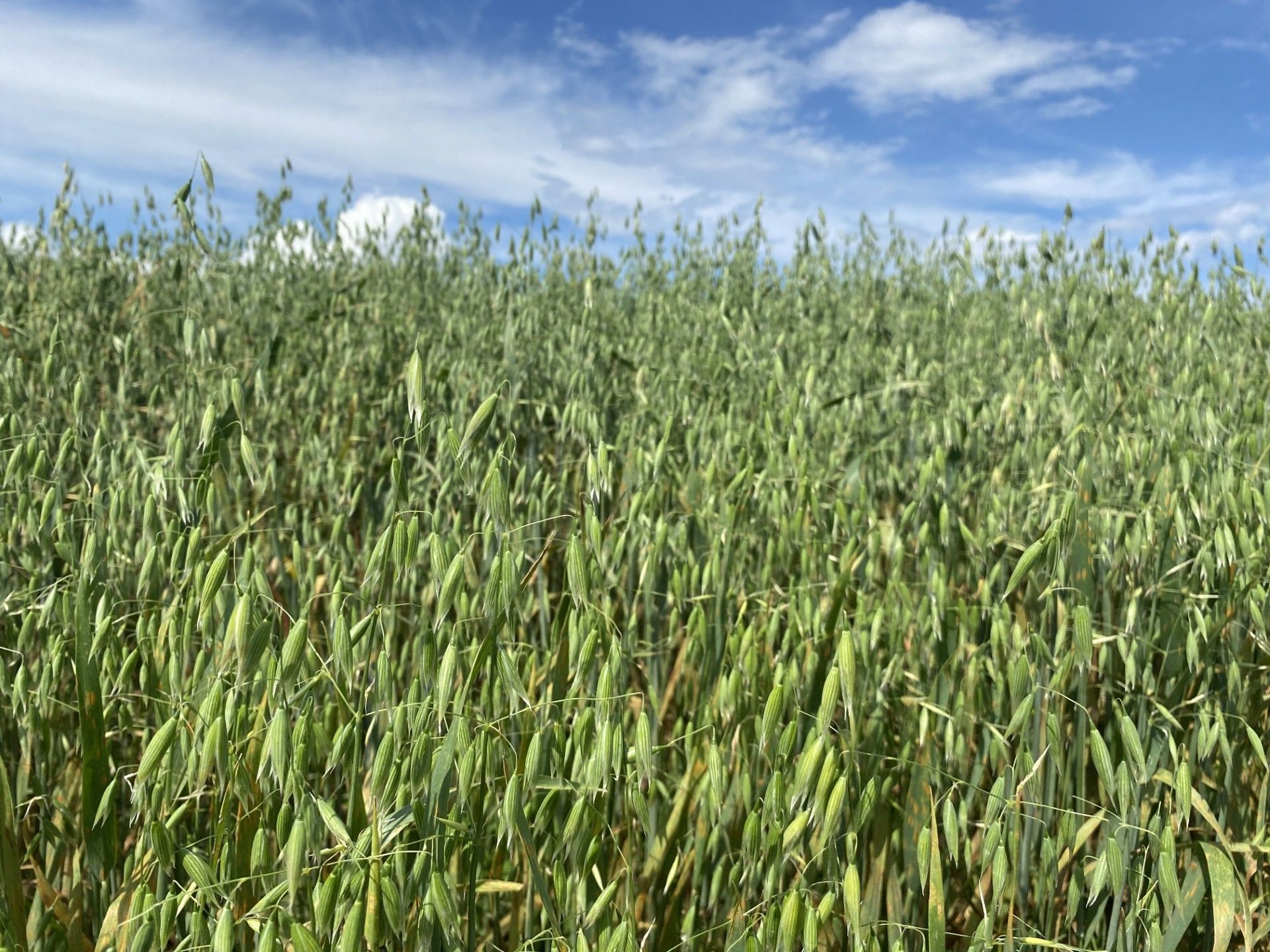
Oats
The most popular winter-kill cover crop because it establishes quickly and provides good grazing and erosion control.
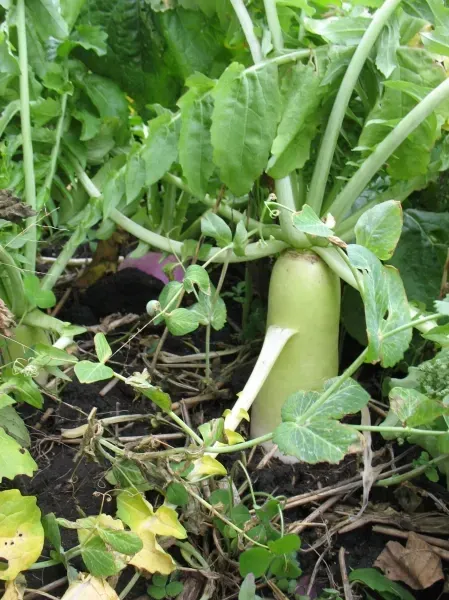
Radish
A brassica with a long taproot that can alleviate deep compaction and increase moisture infiltration.
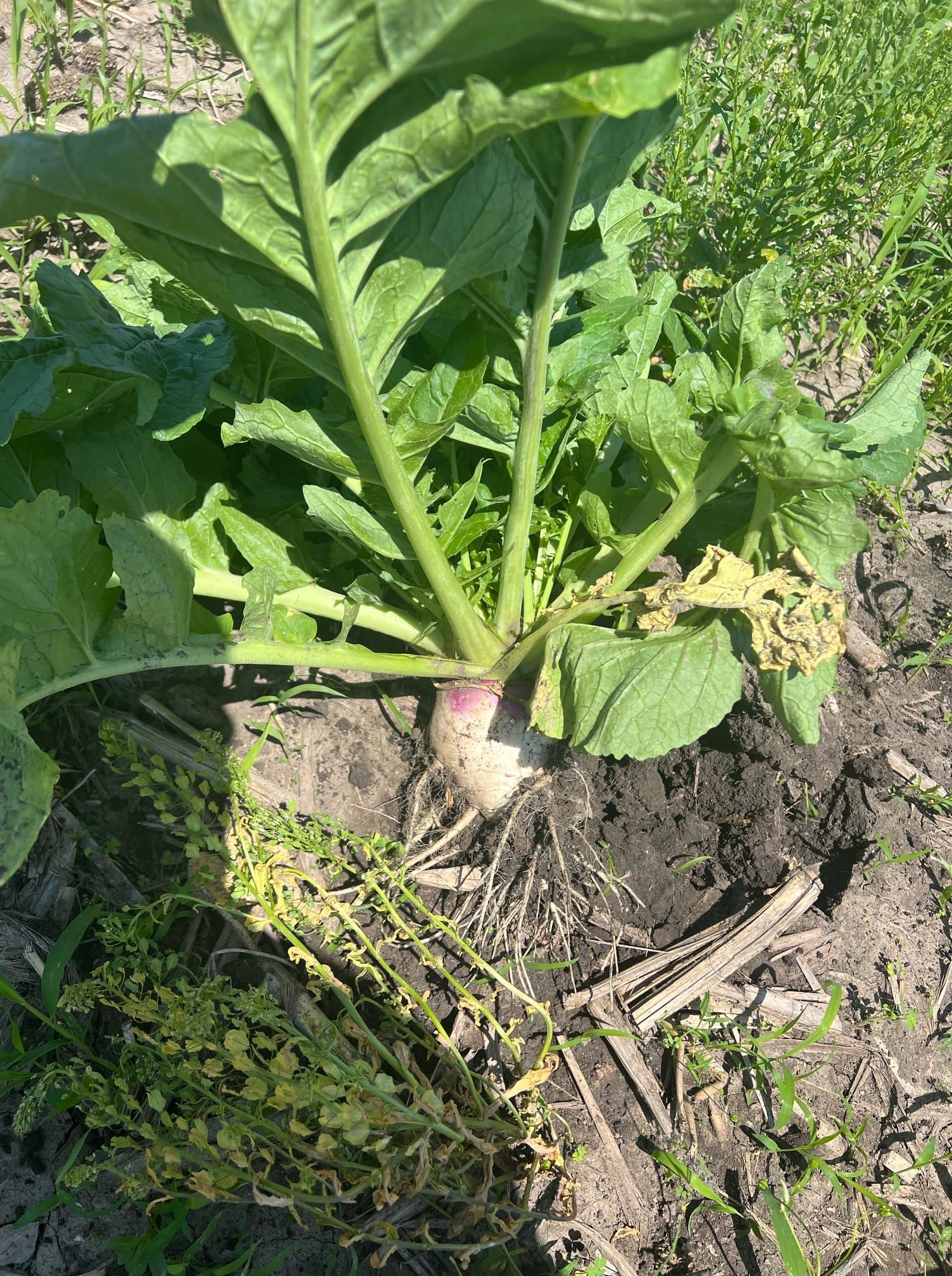
Turnip
A brassica with good forage quality and the ability to reduce shallow soil compaction.
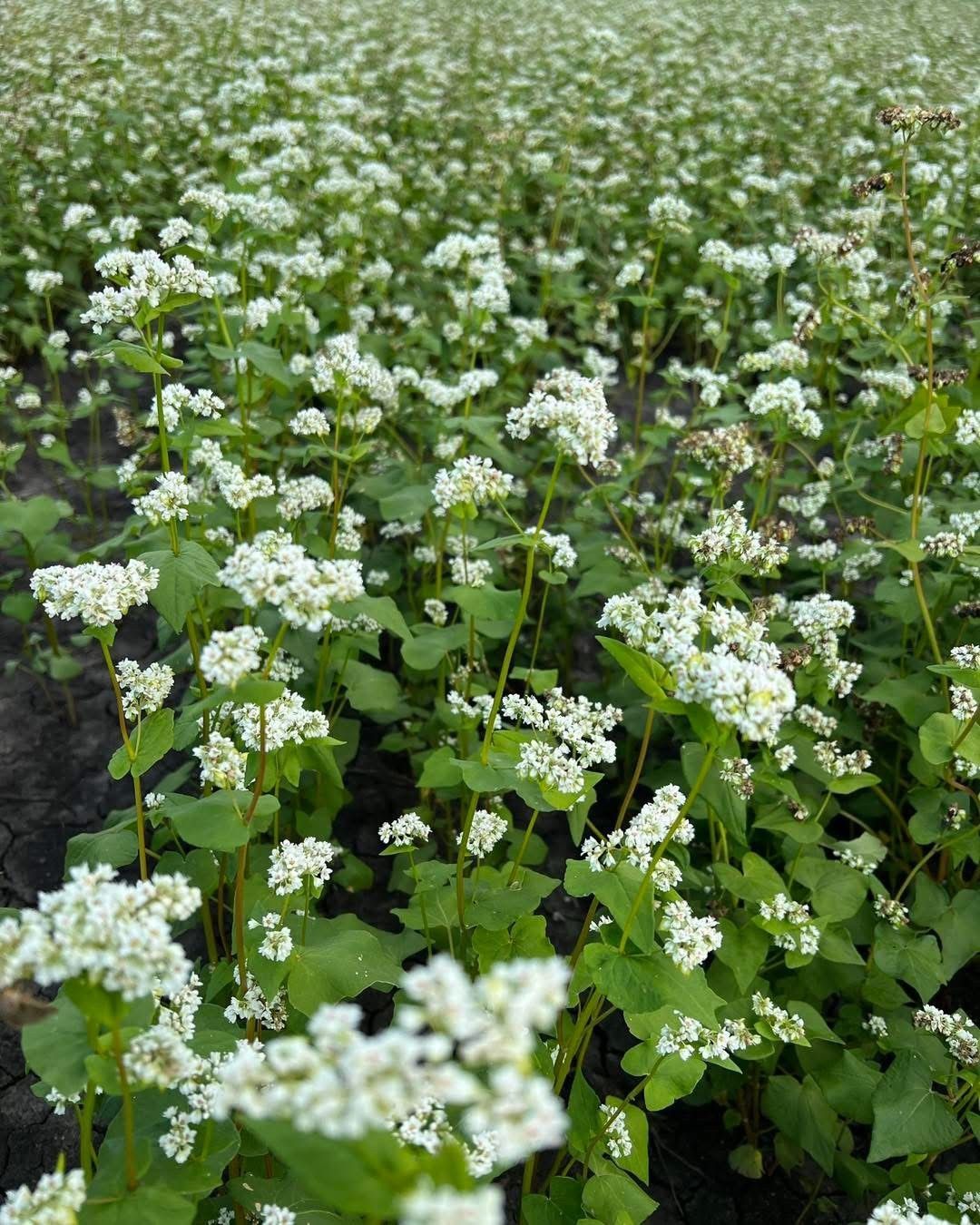
Buckwheat
A broadleaf that establishes quickly to suppress weeds and attracts pollinators when flowering.
Popular Cover Crops Seeding Methods

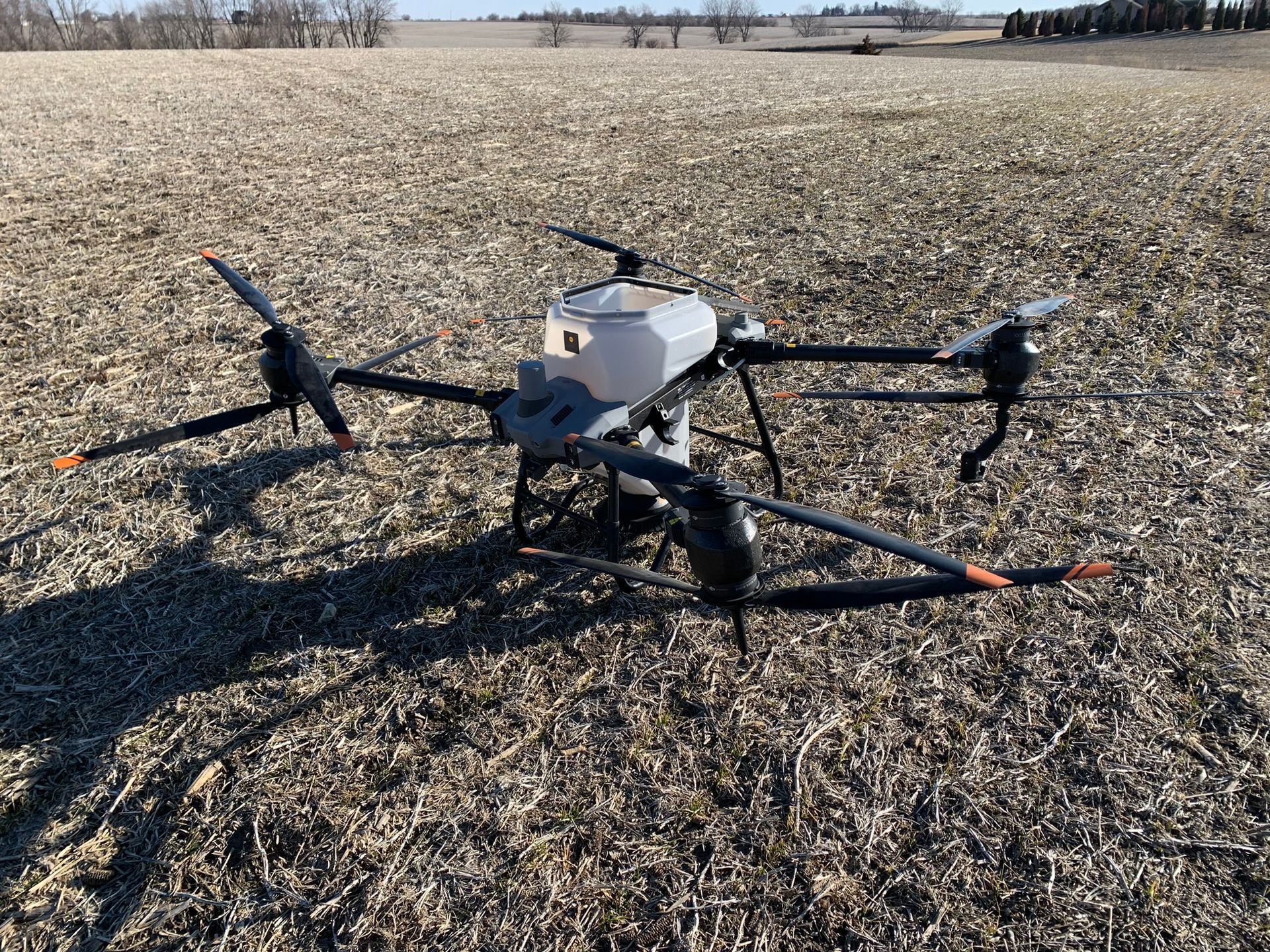
Airplane
Good option for pre-harvest application.
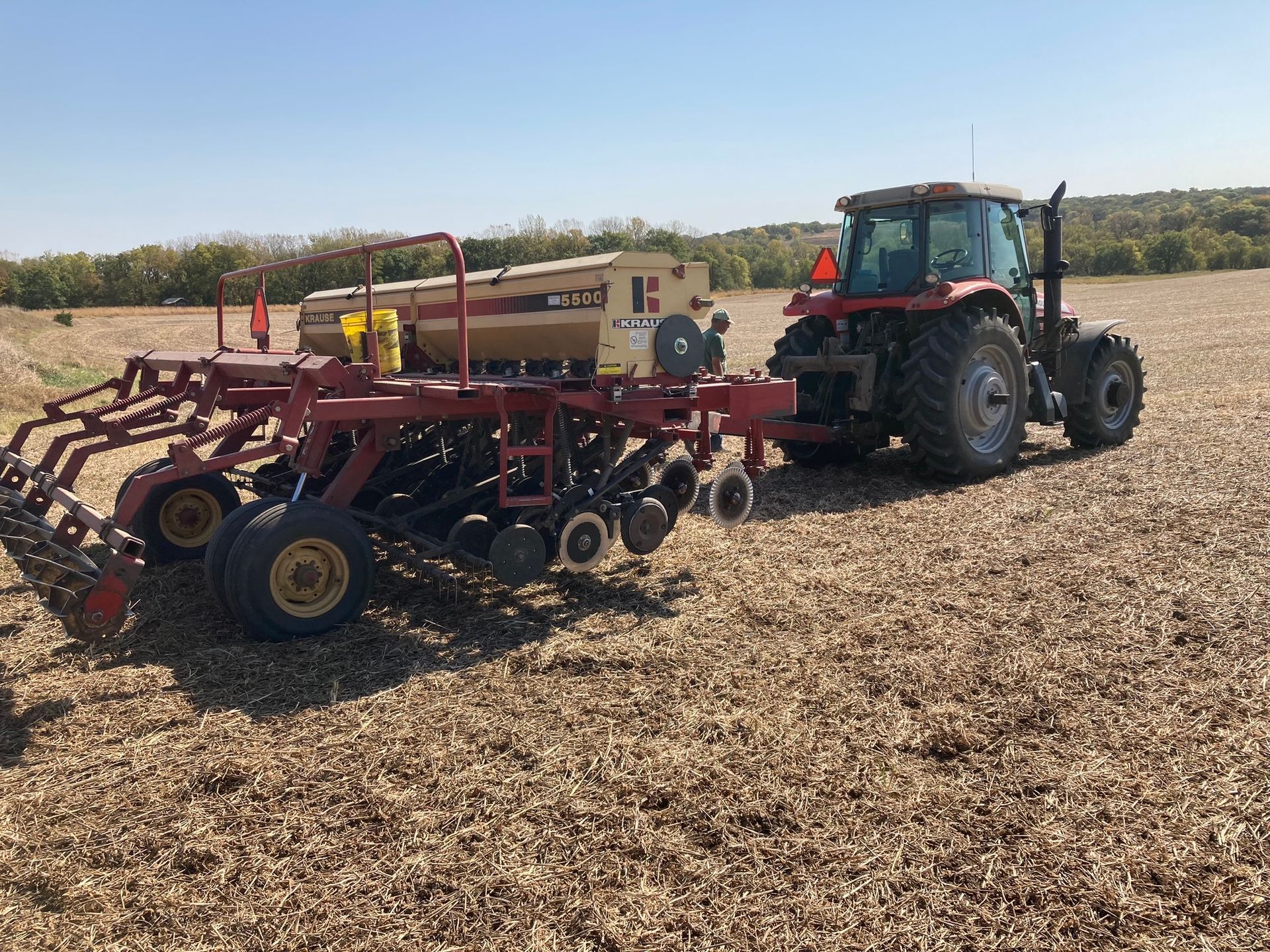
Drill
Reliable post-harvest method for good seed-to-soil contact
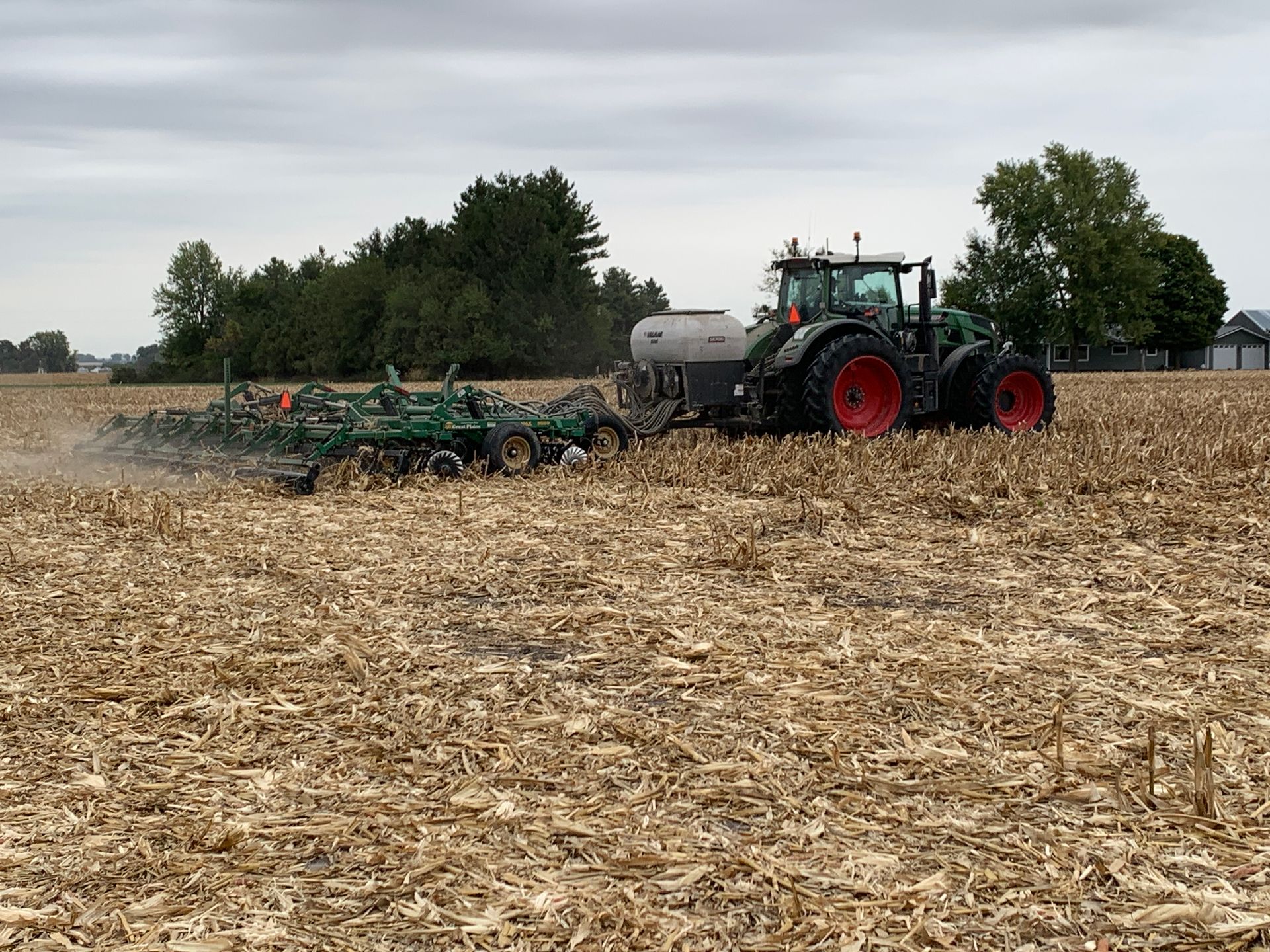
Vertical Tillage
Often fit with airseeders, VT offers a faster way to seed with limited soil disturbance
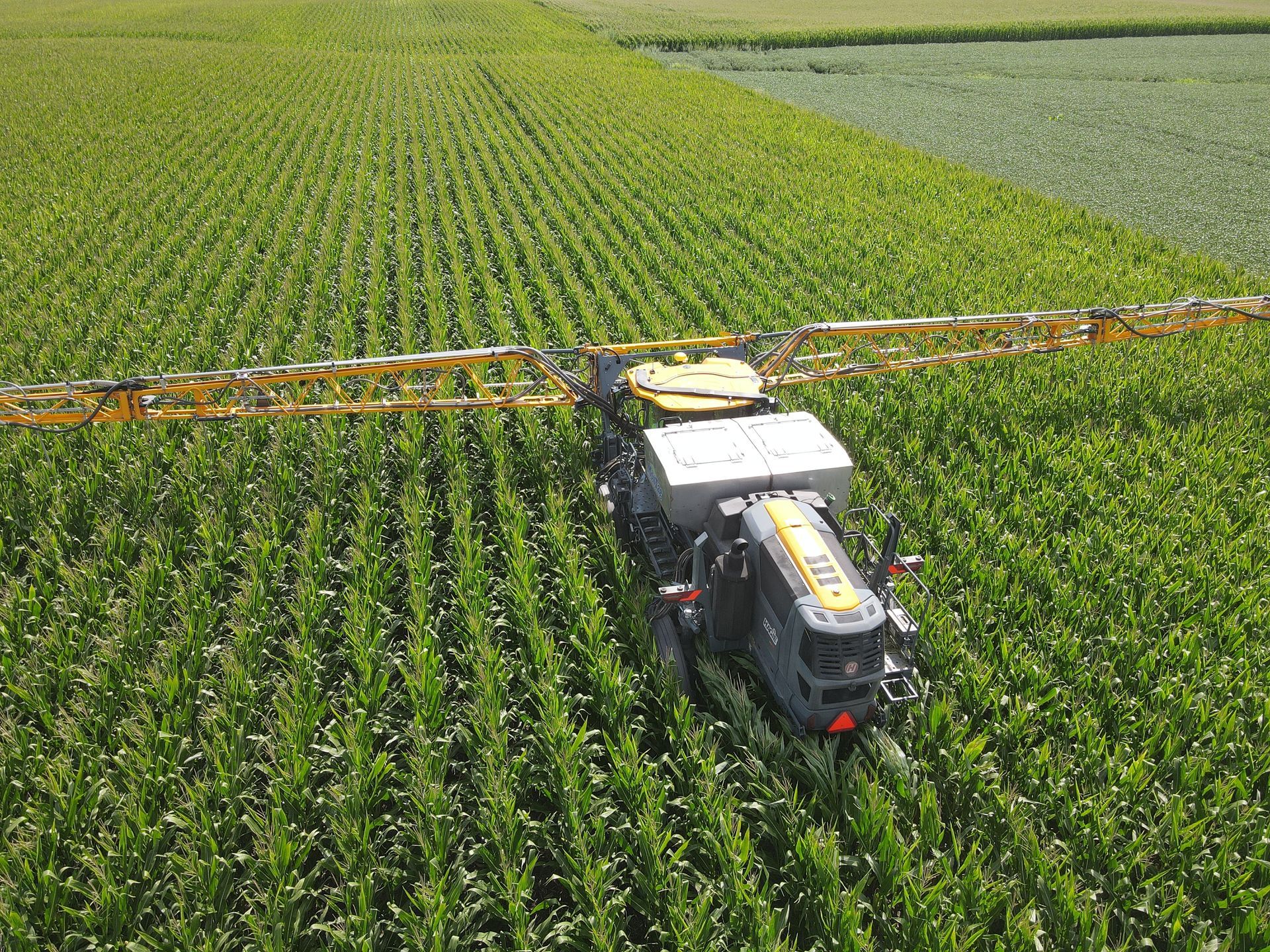
High-Clearance
Precise in-season application across many acres
Download our cover crop guides
Cost-Share options from our partners
- Ducks Unlimited
- AMP Cover Crop Cost Share program is offered through the Advancing U.S. Pork Sustainability and Market Value grant program. This program is offered through 2028. Click for Flyer!
- Farmers for Soil Health - Iowa Soybean Association
- USDA-funded Advancing Markets for Producers (AMP) program. Click for Flyer!
- Practical Farmers of Iowa
- Cost-share compass
- This up to date, interactive tool lets you search for cost-share funding and compare programs.
- NOTE: Opportunity to stack funding! State cost-share, federal funding, and private programs are all options to receive the maximum support. Contact our Conservation Agronomists for options and more information!
Want cover crop advice, but not sure where to start? Connect with our team of conservation agronomists!
Helpful resources from our partners
- FindCoverCrops.com
- Looking for cover crop services such as seeding, spraying and seed cleaning? Check out this dynamic directory with lists cover crop related businesses across Iowa and beyond