Diversified Crop Rotation
Diversified cropping systems involve the addition of one or more crops into a typical corn-soybean rotation. This typically results in the soil being covered for longer periods of time during the year, improving soil health and reducing erosion.
Relay- and double-cropping involve the harvest of two crops in one year. In Iowa, these systems are typically soybeans that are planting into (relay-crop) or after (double-crop) an overwintering small grain, like cereal rye or winter wheat.
Extended rotations are a form of diversified cropping systems whereby crop rotation length is three or more years. In Iowa extended rotations typically involve small grains and a cover crop or an hay crop, but they can also include things like field peas or canola. By incoporating more species and introducing diversification, crops like corn and soybeans in extended systems undergo a "rotation effect" where they have higher yields. Furthermore, by incorporating legumes into diversified systems, farmers can save on fertilizer costs while maintaining or even increasing yields.
Options for diversification
Relay- or double-cropping with soybeans
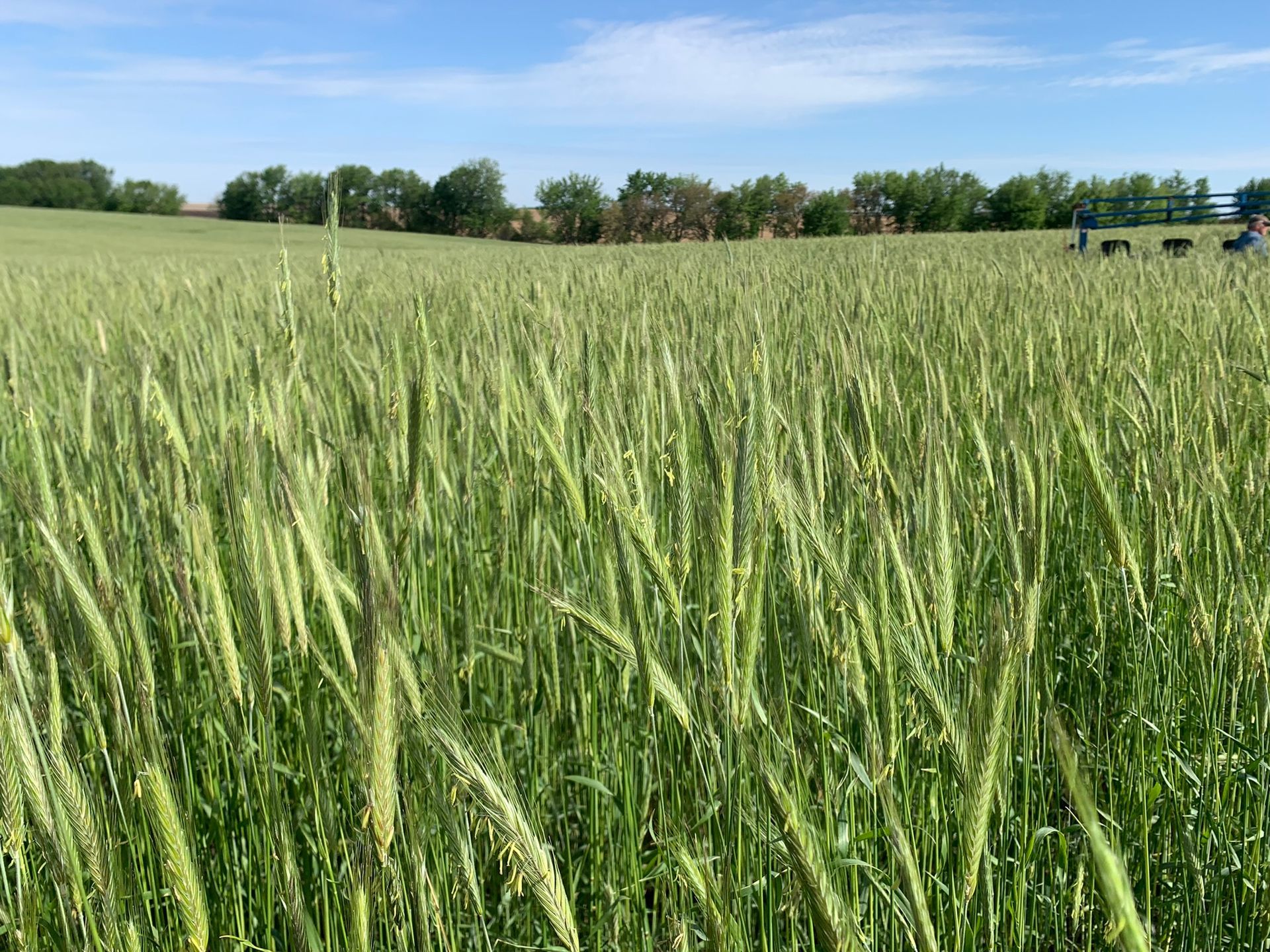
Cereal Rye
The most popular common option for relay systems given it's height and maturity.
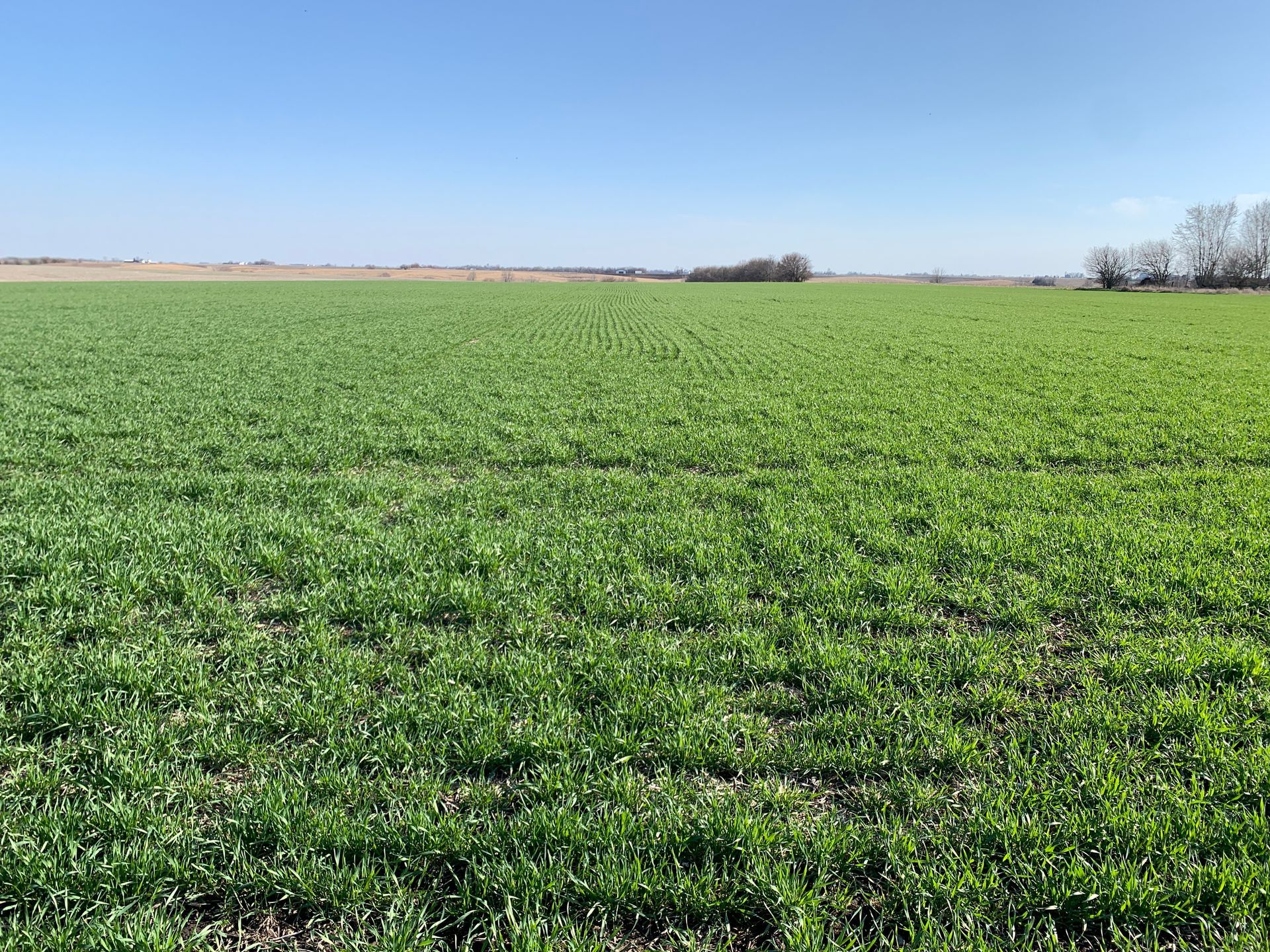
Camelina
A less common option for relay systems but can be grown with careful management.
Extended Rotations (3+ years)
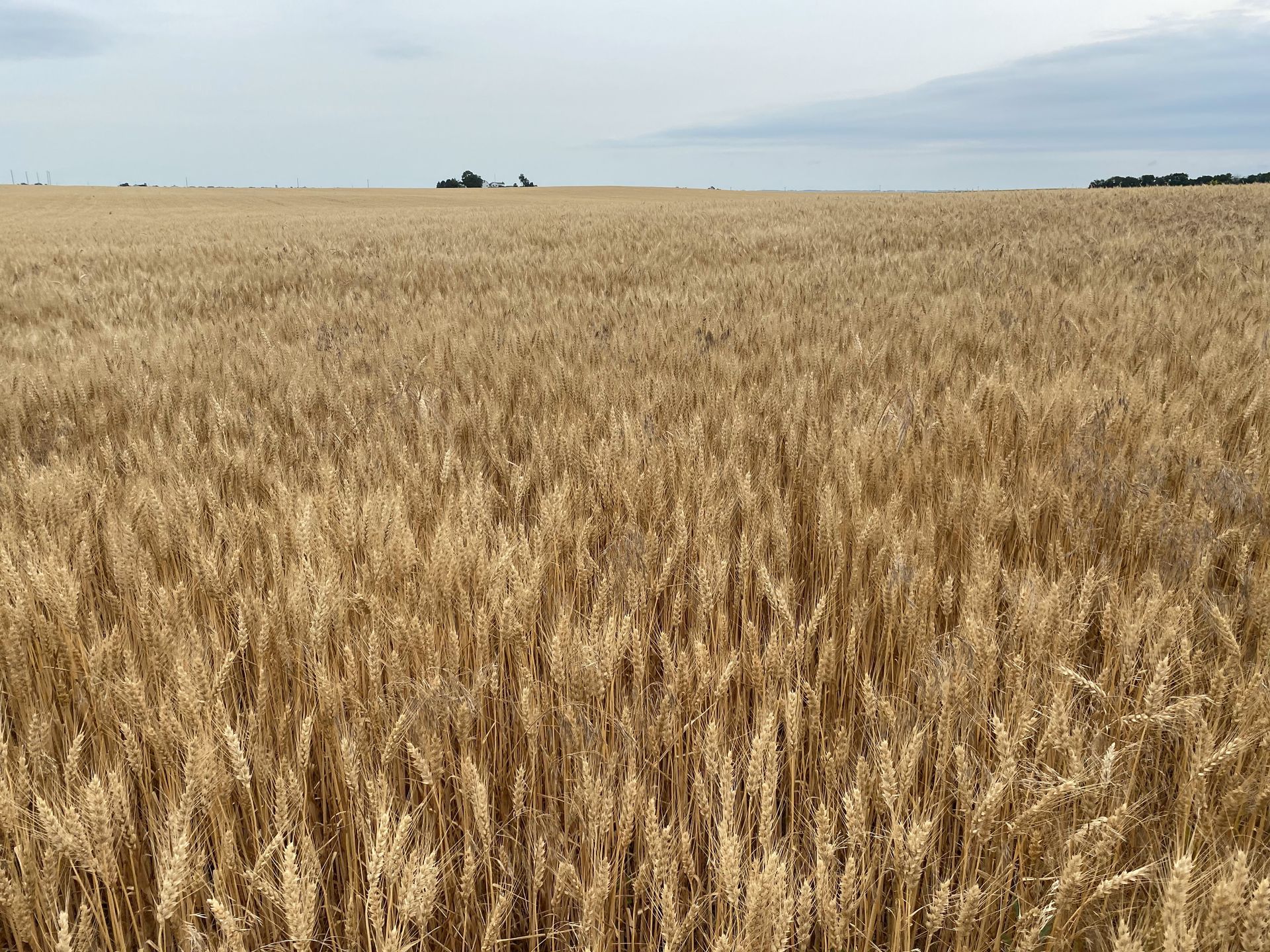
Small grains
Barley, oats, rye, triticale, or wheat (as shown above) can all be grown successfully in the Upper Midwest. The challenge is having a good market lined up.
Legume cover crops
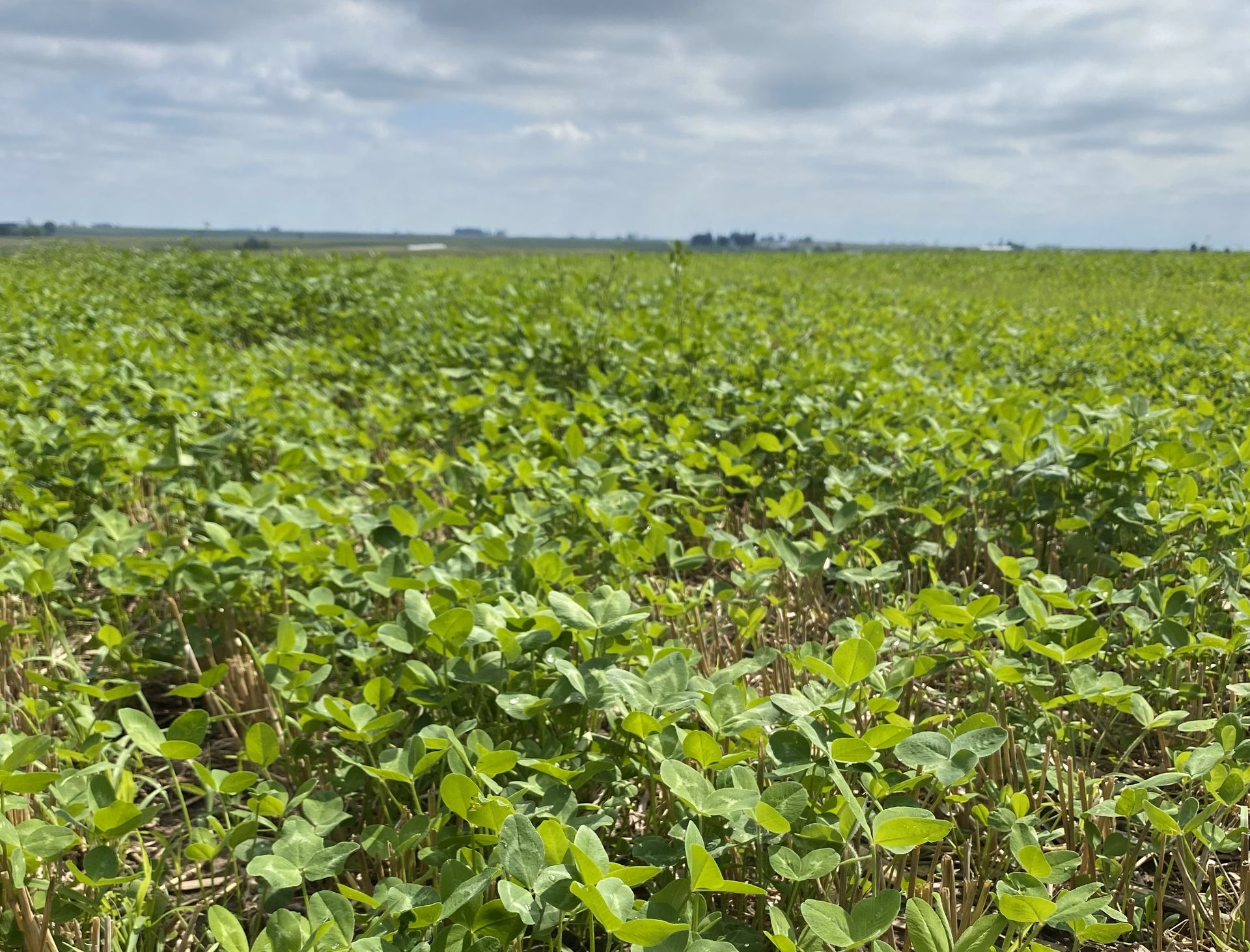
Legume cover crops, like the red clover pictured above, can be seeded alongside or after small grain harvest. After one season of good growth, it has been estimated farmers can take a 40 lb N credit.
Quantifying the 'Rotation Effect'
Iowa State University has been running a cropping system experiment since 2001 that compares a 2-, 3-, and 4-year rotation. When comparing a typical two-year system of corn and soybeans with an extended rotation we see the following:
86% less
Mineral fertilizer use
96% less
Herbicide use
4% higher
Corn yield
16% higher
Soybean yield
57% less
Nitrate in drainage water from corn
50% less
Soil erosion
Want crop rotation advice, but not sure where to start? Connect with our team of conservation agronomists!
Helpful resources from our partners
- Practical Farmers of Iowa (PFI)
- With an emphasis on small grains as a path to diversification, our friends at PFI have many events, resources and cost-share to get you started.